In 2008, the global financial storm swept across the world. China's economy – particularly the Pearl River Delta region, which was heavily dependent on export‑oriented industries – suffered a severe blow. As the forefront of China's reform and opening‑up, Shenzhen was home to a large number of foreign‑invested enterprises, which faced multiple challenges during this crisis, including shrinking exports, rising costs, and mounting pressure for industrial upgrading. The urgent question for these enterprises was how to find opportunities amidst the crisis and breakthrough through innovation and change.
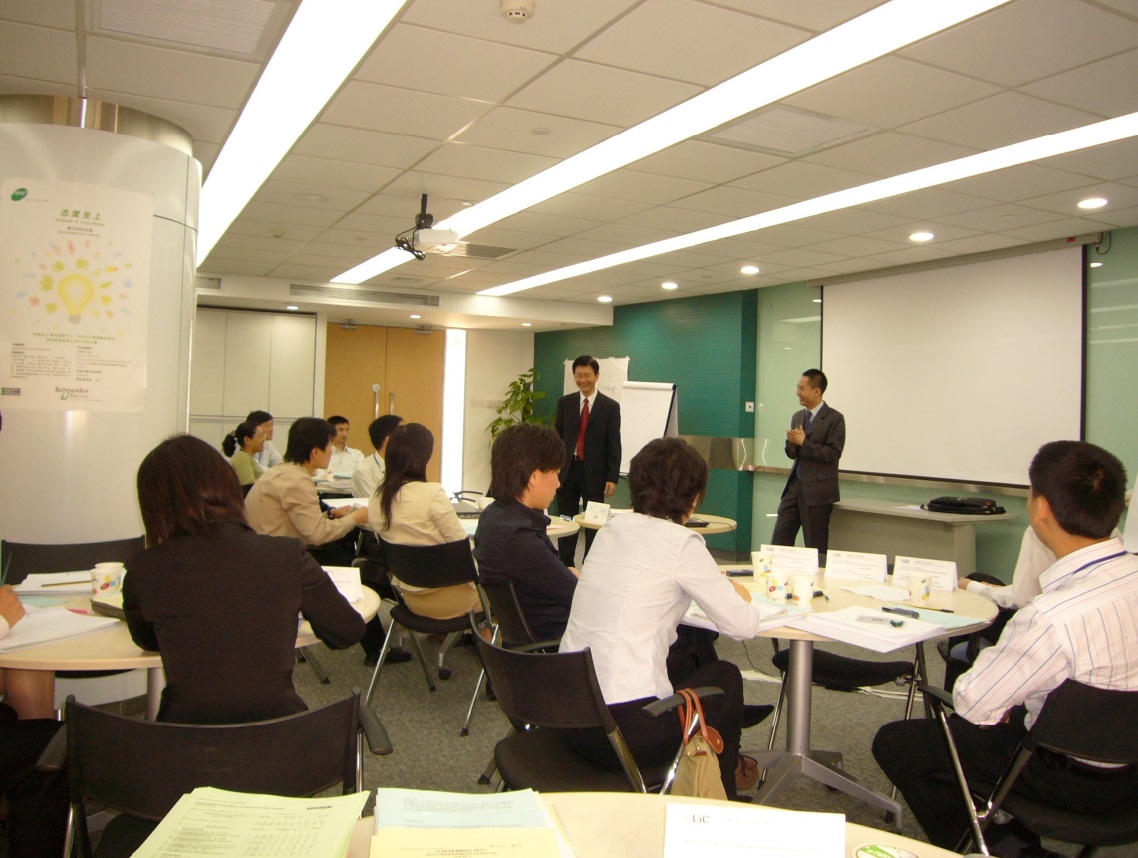
Against this backdrop, the "Shenzhen Foreign Enterprise Innovation & Change Salon" was held in November 2008. The salon aimed to create a high‑end exchange platform for foreign‑invested enterprises in Shenzhen, inviting top management experts and corporate leaders to discuss how to achieve breakthrough results through innovative thinking and organizational change during the economic downturn. The event specially invited Mr. James Chin, Chairman of Singapore International Consulting & Training (ICT) and an internationally renowned professional trainer and mentor, as the keynote speaker to share his unique insights and practical experience in innovation and change.
Mr. James Chin has over 30 years of multinational corporate management experience and has long been dedicated to helping enterprises achieve breakthrough growth through innovative thinking models. He has assisted numerous Fortune 500 companies and outstanding managers in making breakthrough transformations, with some successful cases even featured in documentaries.
In this salon, Mr. James Chin delivered a highly inspiring presentation centered on the core theme of "Innovation, Change and Breakthrough." He pointed out that the economic recession of 2008 was not an endpoint, but rather a process of reshuffling and survival of the fittest. Those enterprises that could promptly shift their mindsets and proactively embrace change were often able to achieve leapfrog development after the crisis.
1. Disruptive Innovation vs. Incremental Improvement
Mr. Chin first highlighted a common misconception faced by many enterprises in their innovation efforts: most teams remain stuck at conservative incremental improvements, while disruptive innovative ideas are rarely pursued. He emphasized that in a turbulent environment like the financial crisis, relying solely on "patch‑up" improvements is far from sufficient. Enterprises must have the courage and capability to pursue disruptive innovation in order to fundamentally reshape their competitive advantages.
2. Change Quotient (CQ) – The Core Capability for Responding to Change
In the salon, Mr. Chin introduced the concept of "Change Quotient (CQ)" , which he originally developed. He noted that in a rapidly changing business environment, an enterprise's success depends not only on IQ and EQ, but even more on its ability to cope with change – "Change Quotient." Organizations and individuals with a high CQ can keenly seize opportunities amidst uncertainty, proactively adjust strategies during change, and turn crises into growth opportunities. By introducing the CQ framework, he successfully helped many corporate managers and teams break through bottlenecks and strengthen their competitive edge, achieving remarkable results.
3. Systematic Innovation and Change Models
Mr. Chin shared his systematic methodology for helping enterprises achieve innovation breakthroughs over the years. He proposed that enterprises need to establish a complete innovation‑change system covering multiple dimensions, including strategic reshaping, market development, business model innovation, product and service upgrades, and operational efficiency improvement. This system not only helps enterprises reduce costs and address complex management issues during crises, but more importantly, enables them to transcend conventional thinking and expand the boundaries of their strategic outlook.
4. The Critical Role of Leaders in Change
Mr. Chin particularly emphasized the core role of leaders in driving change. He pointed out that the success or failure of a transformation largely depends on whether leaders possess the vision to foresee change, the resolve to drive it forward, and the resilience to see it through. Managers need to master essential management coaching skills to rapidly enhance their employees' key capabilities through effective guidance during the change process, ensuring that transformation is truly implemented on the ground.
The financial storm of 2008 was both a severe test and a turning point for foreign‑invested enterprises. Mr. James Chin's sharing at the Shenzhen Foreign Enterprise Innovation & Change Salon provided the attending foreign enterprise managers with a complete change framework – from mindset transformation to practical execution. The core message he conveyed was: Crises are not to be feared; what is truly frightening is being complacent and refusing to change in the face of crisis. Only those enterprises that dare to break conventions and proactively embrace innovation can usher in broader development opportunities after the storm has passed.
This salon not only infused Shenzhen's foreign‑invested enterprises with the confidence and wisdom to tackle the crisis but also pointed the way forward for strategic adjustments in the post‑financial‑crisis era.