2018 Yantai HR Salon: Corporate Organizational Change Management
January 28, 2018 | Host: Zhengxin Group | Guest Speaker: James Chin
The "Corporate Organizational Change Management Salon," hosted by Zhengxin Group, was successfully held on the afternoon of January 26th from 14:00 to 17:30 in Yantai, Shandong. This salon provided a platform for HR elites and corporate executives to learn about the latest global trends in human resource management and corporate organizational change management. The event brought together renowned enterprises including Jereh Group, Ping An Bank, Shandong High-tech, Cool Intelligent, Rhein Tech, Yate'er Holding, Jingbo Holding, Weibai Group, Xinfeng Group, Qingdao Shuangchuang Technology, Meishi International, Jinhou Group, Tayho Advanced Materials, Guangwei Advanced Materials, Ebara Air Conditioning, Goertek, Yazaki Automotive, Cool Intelligent, Rhein Tech, Yate'er Holding, Jingbo Holding, Gulf Oil, Doosan Machine Tools, Doosan Machinery, Shengquan Group, Jinser Environmental, Shinho, Shenglian Biotech, Zhonglian Industrial, among others. Scholars from the "Thousand Talents Plan" also attended. The event adopted a simultaneous online live streaming format, attracting a total of 23,268 senior HR executives. Among them, 216 senior HR executives participated on-site, and 23,052 HR elites and corporate executives participated via online live streaming. After the event, both the attending guests and the live stream audience gave extremely high praise.
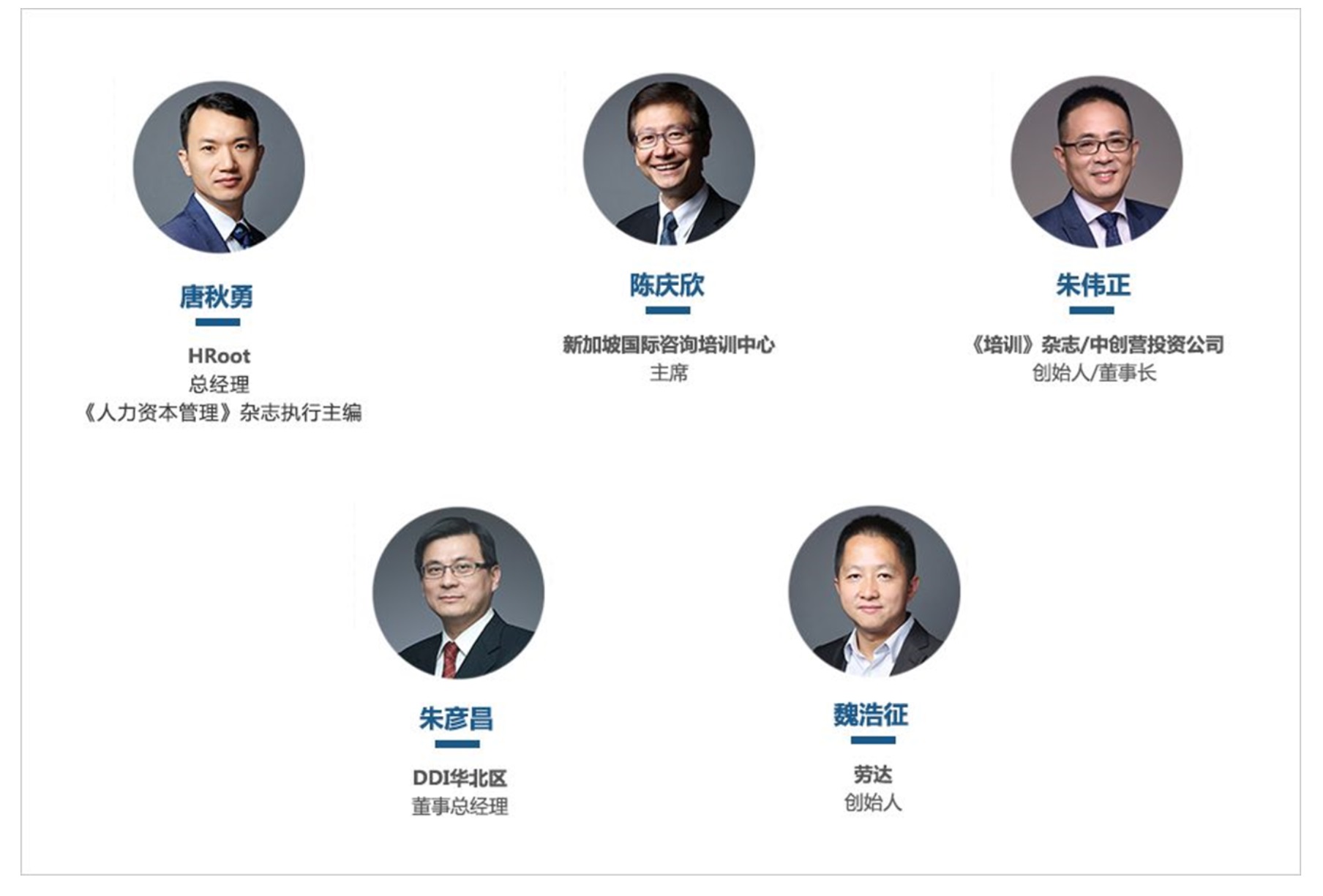
The Corporate Organizational Change Management Salon featured four brilliant speeches and an in-depth exchange on organizational collaboration, presented by Mr. Tang Qiuyong, Executive Editor of Human Capital Management magazine and General Manager of HRoot; Mr. James Chin, Chairman of the Singapore International Consulting & Training Centre; Mr. Zhu Yanchang, Managing Director of DDI North China; and Mr. Li Wei, Vice President of R&D Consulting and Senior Partner at Laboroot. Together, they explored innovative organizational design, advancing organizational change from the perspectives of strategy, leadership, culture, organization, talent, processes and collaboration, and performance and compensation. By building a strong organizational system and team leadership, the aim is to help enterprises establish lasting organizational competitive advantages.
The business environment is undergoing dramatic changes, organizations face unprecedented challenges for future development, and human resource management is experiencing a series of profound historical transformations. Mr. Tang Qiuyong, Executive Editor of Human Capital Management magazine and General Manager of HRoot, delivered a keynote speech titled "The Future Mission of HR." In the current era of rapid change, if you cannot grasp opportunities in advance, opportunities can also become crises. Regarding the various future changes in the business world, we cannot obtain definite answers, but at least we can understand the future trends of human resource management 5 to 10 years in advance and seize the initiative for change. Facing the challenges of the times, what exactly is the future mission of HR professionals?
Leadership does not reside in the 23 pairs of human chromosomes; it comes from the world and from the leader's perception of the world. Mr. James Chin, Chairman of the Singapore International Consulting & Training Centre, delivered a keynote speech titled "Change Quotient Leadership – How to Lead Teams to Continuous Innovation and Breakthroughs." Leadership master Warren Bennis famously said: "The most dangerous leadership myth is that leaders are born." This saying also tells us that leadership is acquired, not innate. This is a post-crisis era characterized by a lack of management systems and a scarcity of excellent leaders. Beneath the seemingly prosperous market landscape, too many leadership voids are quietly hidden. Instead of waiting for failure, it is better to transform leadership and lead teams to innovate and break through.
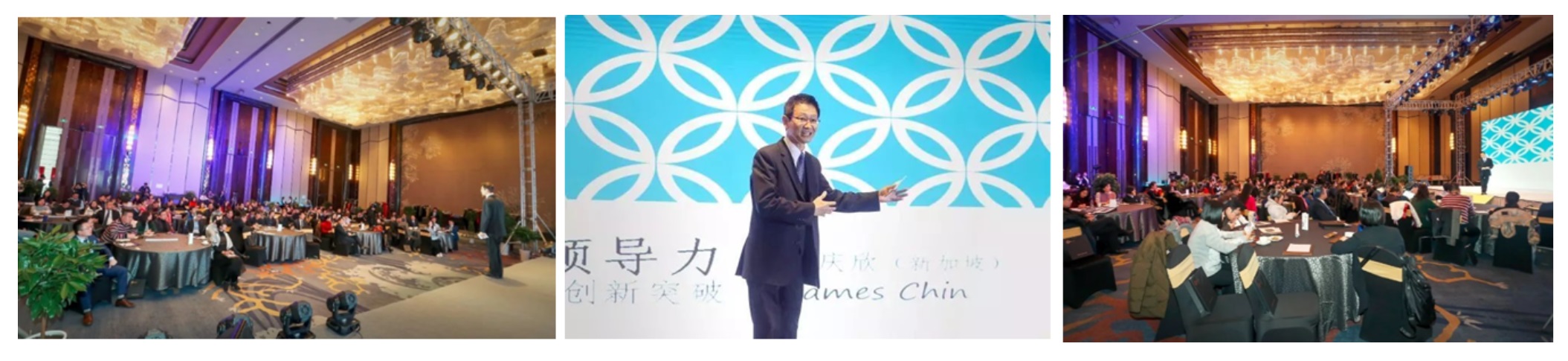
(Photo: Mr. James Chin, Chairman of the Singapore International Consulting & Training Centre, delivering a keynote speech)
We are on the eve of the digital revolution explosion. Since 2006, 50% of Fortune 500 companies have ceased to exist. Mr. Zhu Yanchang, Managing Director of DDI North China, delivered a keynote speech titled "Creation – On the Eve of the Digital Revolution Explosion." In 2018, 68% of the global Top 1000 companies and 50% of China's Top 1000 companies have incorporated digital transformation strategies into their core corporate strategies. In addition to rapid technological development, companies face unprecedented challenges in the speed of business model innovation. Furthermore, the large influx of the post-90s and post-00s generations into the workforce, with their different expectations for work, also necessitates changes from enterprises.
Under the internet economy, due to changes in production organization methods, enterprise boundaries, technological progress, management and organizational innovation, etc., employment patterns and structures have changed accordingly, and employment relationships have also transformed. Mr. Li Wei, Vice President of R&D Consulting and Senior Partner at Laboroot, delivered a keynote speech titled "Shared Employees – Flexible Employment Strategies in Context." Under the internet economy, the characteristics of employment relationships—such as job types, employment nature, employment structure, and employment methods—have shifted. More flexible and loose flexible employment relationship models are prevalent, accounting for more than 60%. Such employment relationships are expected to become the mainstream model in the internet economy. Innovative measures for managing flexible employment relationships include: building a new management model of "co-creating, sharing, and co-governing human capital value"; establishing early warning mechanisms for labor conflicts in flexible employment relationships; innovating strategies to prevent risks in flexible employment; transforming employer strategies from "control-oriented" to "cooperation-oriented"; and constructing a public service system to ensure the transformation of employment relationships.
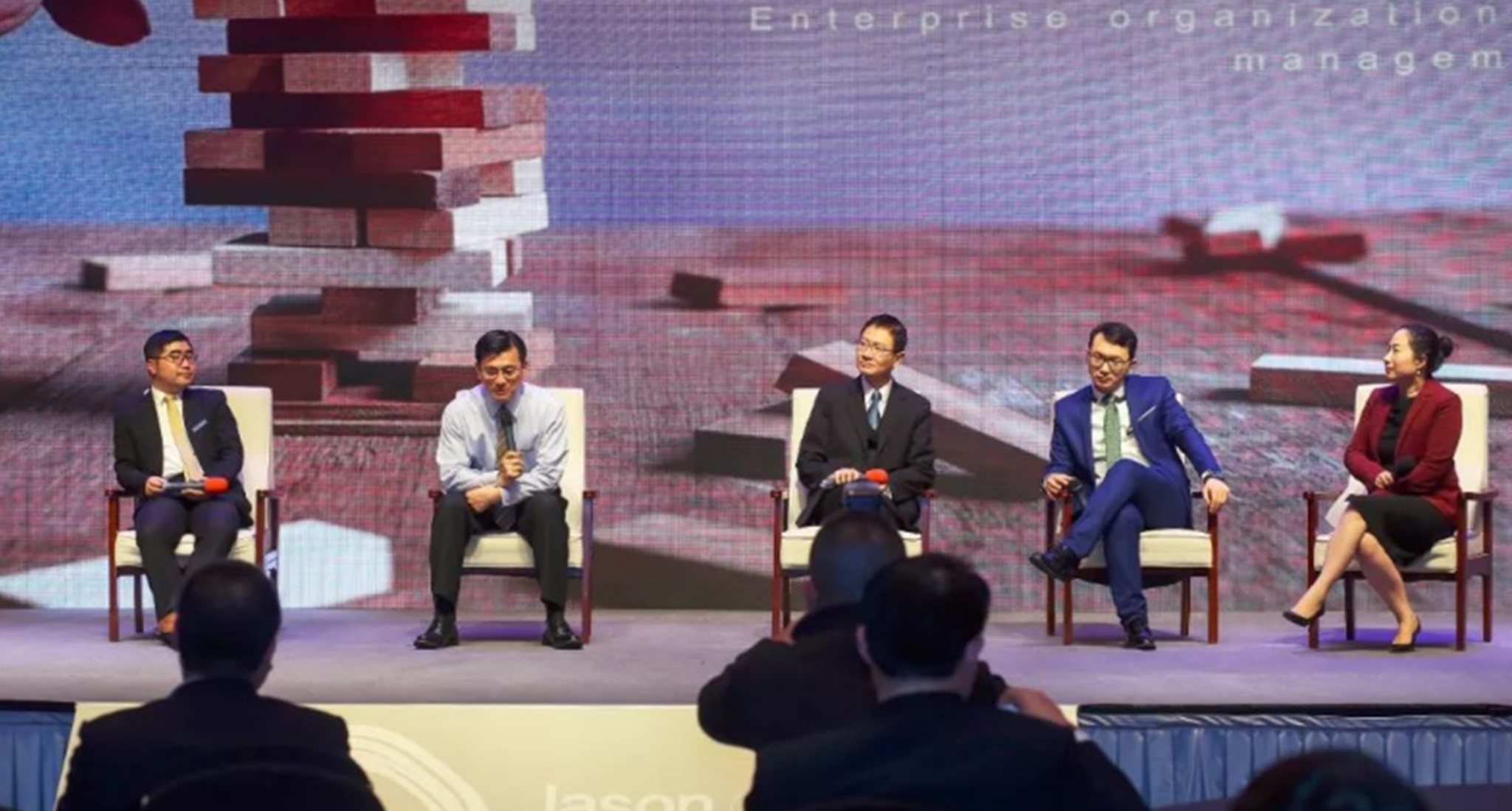
Entering the era of mobile internet and big data, information has become an important factor of production, large-scale collaboration is moving mainstream, the platform economy is developing rapidly, and users are actively participating in or even leading the market. These new changes have brought unprecedented challenges to the organizational operations of Chinese enterprises. The guest speakers conducted an in-depth roundtable discussion on the theme of "Organizational Collaboration." The speakers analyzed the impact of corporate organizational change in the HR field from multiple perspectives and discussed digital response strategies. They shared diverse and fresh case studies, providing attending guests with more theoretical guidance and practical direction.

(Photo: From left to right: Mr. Li Wei, Vice President of R&D Consulting and Senior Partner at Laboroot; Mr. Zhu Yanchang, Managing Director of DDI North China; Mr. James Chin, Chairman of the Singapore International Consulting & Training Centre; Mr. Tang Qiuyong, Executive Editor of Human Capital Management magazine and General Manager of HRoot; Ms. Li Fangzhu, Chairwoman of Zhengxin Group.)
The development of an enterprise is inseparable from organizational change. Changes in the internal and external environment, along with the continuous integration and adjustment of corporate resources, all necessitate that enterprises focus on organizational change. This event not only presented the latest trends and practical experience sharing in the global human resource management field to the on-site guests but also pointed out the future innovative direction for human resource management for all participants.